The panic began after a public notice originally published in October 2020 under Sections 32 and 35 of the Regional, Town and Country Planning Act—was shared widely as a fresh warning.
The old notice listed several residential and commercial sites in St Mary’s, Zengeza, and Seke marked for council enforcement.
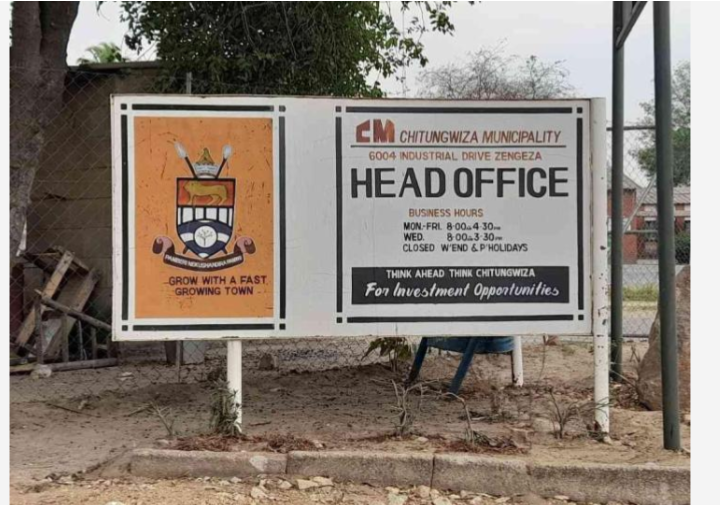
Chitungwiza Municipality moved quickly to address the rumors, reassuring property owners that the post is completely outdated and no demolition exercise is underway.
Council spokesperson, Mr Tafadzwa Kachiko advised residents and local traders to ignore the posts entirely.
"Please be advised that the notice was published in the mainstream media in 2020, six years ago, and does not constitute a new announcement," Mr Kachiko said in an official statement.
"The Council has not issued any such notice recently."
He added that any structural enforcement follows strict legal steps, meaning property owners would receive standard statutory notices well before any action is taken.
In high-density towns like Chitungwiza, rumors around land and housing hit hard.
Outdated notices often cause immediate disruption, leading informal traders to halt business or panic-sell stock over feared eviction.
Homeowners also face sudden anxiety over long-settled plots, while constant false alarms leave the public indifferent when real council alerts are issued.
Media observers say old documents frequently resurface around seasonal Council clean-up campaigns, or when unverified social media pages reuse controversial posts to gain clicks.
Council further encouraged residents to double-check incoming alerts before forwarding them to neighborhood groups.
Checking the fine print often reveals the true age of a document—the viral clipping currently circulating clearly carries a stamp dated 21 October 2020.
Mr Kachiko said official Council updates are routinely posted on its verified channels, including Facebook, X (@chitungwizamun), and website (chitungwiza.org.zw), all of which carry authorised signatures and the municipal seal.