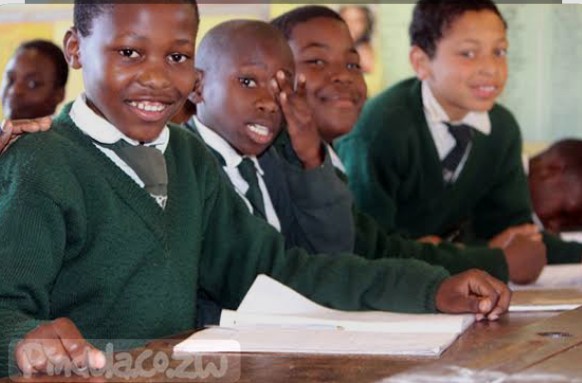
Let's be honest about what usually fills that field. Idle phones. Idle streets. Idle company. These are 12 and 13-year-olds standing at the threshold of adolescence, and we hand them weeks of unstructured time with no direction. Then we act surprised when they pick up habits we never chose for them.
Rest Is Not The Enemy
These children have earned rest. They have carried the weight of exam pressure, extra lessons, and the expectations of entire families. Sleeping in, playing and laughing is not wasted time.
A child who is pushed straight from one demand into another is a child heading for burnout. But rest and idleness are not the same thing. Rest restores. Idleness drifts.
Our task as adults is to build a season that holds both: lighter days, real downtime, and purposeful moments woven through them.
What We Can Teach In A Few Weeks
This window is a gift for the lessons no exam paper tests:
Practical life skills: Cooking a basic meal, budgeting, gardening, mending clothes, first aid, and keeping a home running.
Personal safety and body literacy: Age-appropriate guidance on boundaries, consent, and who to tell when something feels wrong - before they enter the more complicated world of secondary school.
Values and character: Respect, responsibility, honesty, and service to others.
Communication and confidence: Public speaking, reading aloud, storytelling, and learning to ask for help.
Digital awareness: How to use technology without being used by it.
None of these needs a classroom or an expensive budget. They need willing adults and a plan.
Nobody Can Do This Alone
Chara chimwe hachitswanyi inda. One finger cannot crush a louse. Our children are not the responsibility of one institution.
This requires all of us.
The Ministry of Primary and Secondary Education can provide guidance and a light framework - suggested activities, safe use of school facilities, and teachers who volunteer to mentor - so that efforts across communities are coordinated rather than scattered.
Local councils control the spaces where children gather: community halls, libraries, sports grounds and youth centres. Opening these for supervised holiday programmes costs far less than the cost of neglect.
Churches already know how to gather young people and instil values. Holiday clubs, youth fellowships and mentorship circles can reach children who would otherwise have nowhere to be.
Parents and guardians are the foundation. Government cannot replace you. Give your child chores with meaning. Teach them a skill you carry. Sit with them and talk. Know where they are and who they are with.
Community members - the nurse, the tailor, the farmer, the accountant, the mechanic - all hold knowledge a child can learn from in an afternoon. It takes a village to raise a child.
The Cost of Doing Nothing
We pay either way. We can invest a little now in structure, safety and skill, or we pay later in lost confidence, risky behaviour, and children who enter Form 1 already behind in everything the report card cannot measure.
Imagine instead a child who arrives at secondary school having spent the holidays learning to cook a meal, speak up in a room, manage a small budget and say "no" when it matters. That child walks in taller.
The Call
To the Ministry: set the framework. To councils: open the doors. To churches: gather them. To parents: lead from the front. To all of us: show up.
The exams are over. Their growth is not. Let's make sure these weeks count.
Rujeko Chibaya is the Founder of Impact Room, a platform for empowerment, personal growth and community development. She writes in her personal capacity.