Most of the recorded figures consist of repeat cases, with females accounting for a higher number of infections than their male counterparts.
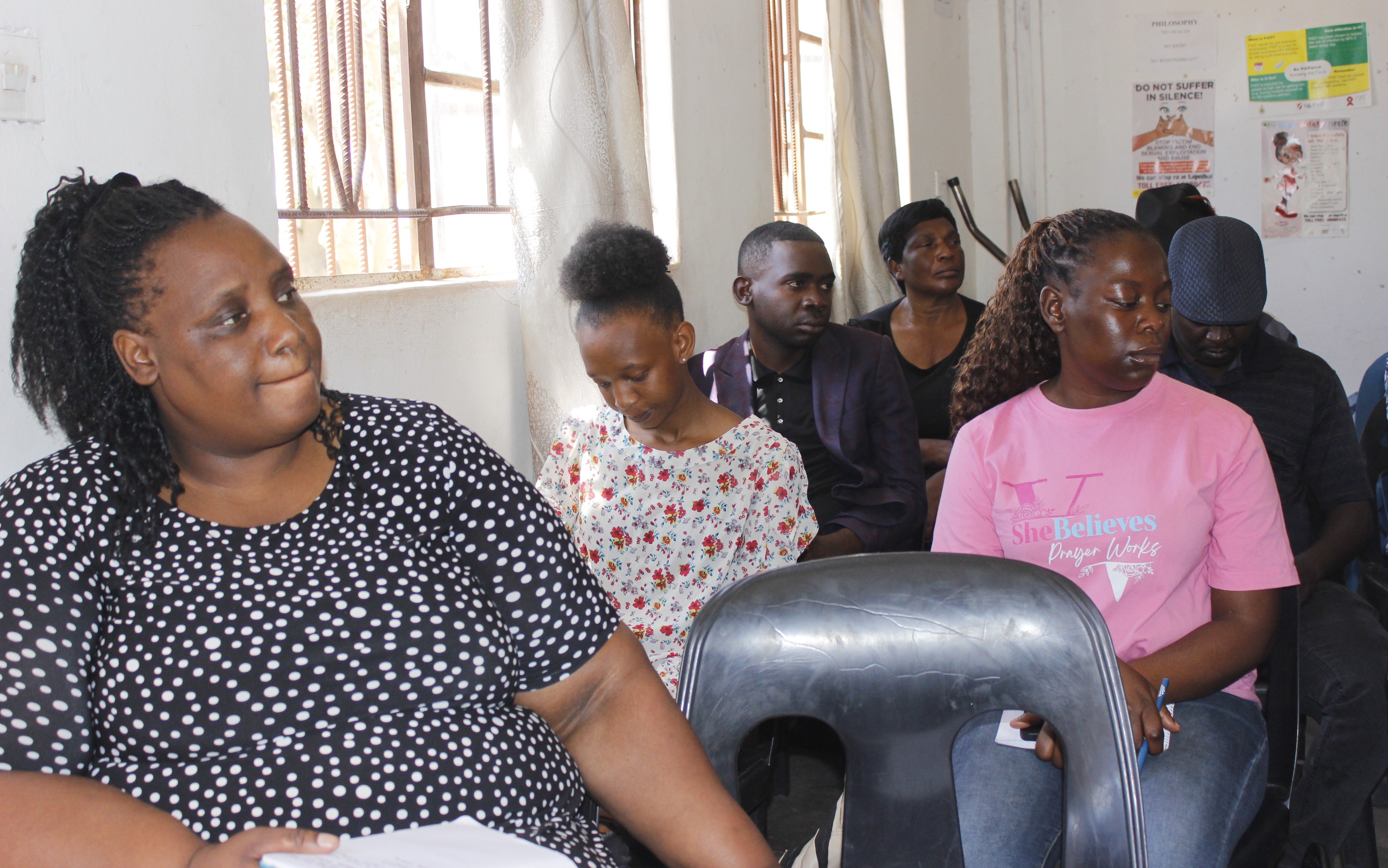
These findings were revealed during a third-quarter District AIDS Action Committee (DAAC) meeting attended by various stakeholders at Utano Center.
In a presentation at the meeting, a NAC-Chitungwiza District representative stated that a shift in community mindset is urgently required.
“As we discussed in the last meeting, we are currently sitting at number five in terms of STIs in the district,” the representative said.
“Although there are concerns that the district may be underreporting—as some STI clients do not visit public health facilities and instead seek treatment within the community or at local pharmacies—the statistics still show a high burden in the district.
"During this period, around 319 new STI clients were recorded, alongside ongoing repeat cases, which occur when someone is treated for an STI and later returns with a new infection.”
The report also pointed out that STI rates are highest among young adults aged 20 to 29.
“While our standard measure often focuses on ages 15 to 24, our aggregate data shows the highest numbers in the 20 to 29 age group, where young adults are actively navigating sexual experiences,” the representative explained.
“There is high-risk behaviour amongst this demographic, which results in a surge of new STI cases. Looking at it through a gender lens, STIs are significantly more pronounced among females compared to males in the same age group. This means we need to aggressively programme around SRHR issues.”
As an immediate measure, NAC implored stakeholders to prioritise grassroots community education.
“Whenever there is a gathering of even five or six people, let us talk about SRHR, HIV prevention, and STI prevention, and encourage our communities to seek early treatment,” the representative urged.
Low risk perception among adolescents and sexual encounters with multiple partners were noted as primary drivers of the high infection rates.
“One of the key issues we identified is a low perception of risk among adolescents and young people regarding how they engage in sexual activity,” the representative noted.
“It is a combination of factors that extends to both behaviour and knowledge. Many would argue that this low risk perception is largely a result of limited information.”