Despite the strain, particularly on clinical trials and reproductive health programs, the department is managing to sustain operations with limited resources.
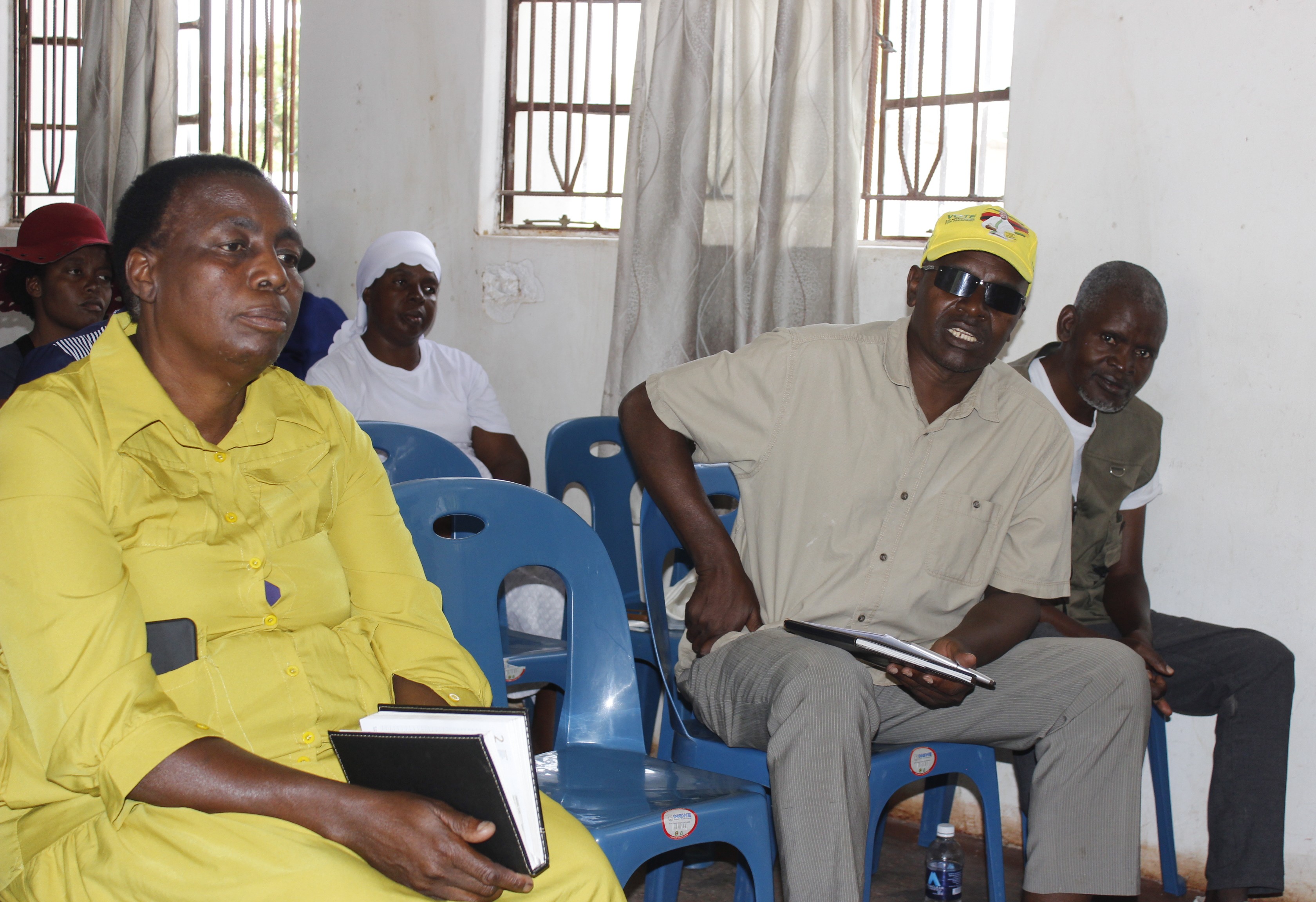
Reporting during a third-quarter District AIDS Action Committee (DAAC) stakeholders’ meeting, a City Health representative noted that Antiretroviral Therapy (ART) performance dipped slightly due to the stop-work orders affecting partner organizations, though overall service delivery remains resilient.
"Looking at our performance on ART, it did not come out as well as expected due to the stop order from our partners, but we are still faring very well," said the representative.
“During this Third-Quarter on HIV Testing and Prevention Metrics-HIV Testing Services (HTS): 7,559 clients were tested, marking a slight decrease.
Of these, 306 tested positive and 7,253 tested negative ART Linkage: Out of 306 newly diagnosed positive patients tracked for linkage, 288 were initiated on ART—a 94% initiation rate, down by just one percentage point.
“On Self-Testing: 1,697 self-test kits were distributed, yielding 11 reactive results”.
The representative further added that for Pre-Exposure Prophylaxis (PrEP), out of 743 clients screened, 529 were initiated, while 16,890 clients were referred for condoms.
"In terms of achievements, we are maintaining the provision of HTS services to support early HIV diagnosis and immediate access to treatment. However, we are facing infrastructure and supply chain challenges.
Despite steady clinical performance, the department faces pressing logistical hurdles such as infrastructure at our ART service cabins lack adequate shelter—an urgent concern as the rainy season approaches.
“Medication Shortages-while Antiretroviral (ARV) stocks remain secure with enough supply to last a full quarter, the department is experiencing erratic supplies of Tuberculosis (TB) preventive medicine and blood collection consumables (such as dry blood spot/DBS kits). To manage national shortages, clinics are placing emergency restock orders every one to two weeks”.
Communication was also severely impacted due to the loss of partner-funded airtime, leading to the disruption of phone-based default tracking.
To bridge this gap, the department has deployed local community health workers to conduct door-to-door follow-ups.
“On a positive note, staffing levels have improved significantly following a government recruitment drive. Chitungwiza clinics now have two alternating doctors, alongside an influx of nurses, laboratory scientists, technologists, and technicians.
“Looking ahead, the department plans to establish satellite clinics to improve healthcare accessibility. Long-term plans to construct a dedicated Chitungwiza District Hospital also remain on the table, pending funding from the relevant authorities. We are managing the situation very well using our locally available resources," concluded the representative.