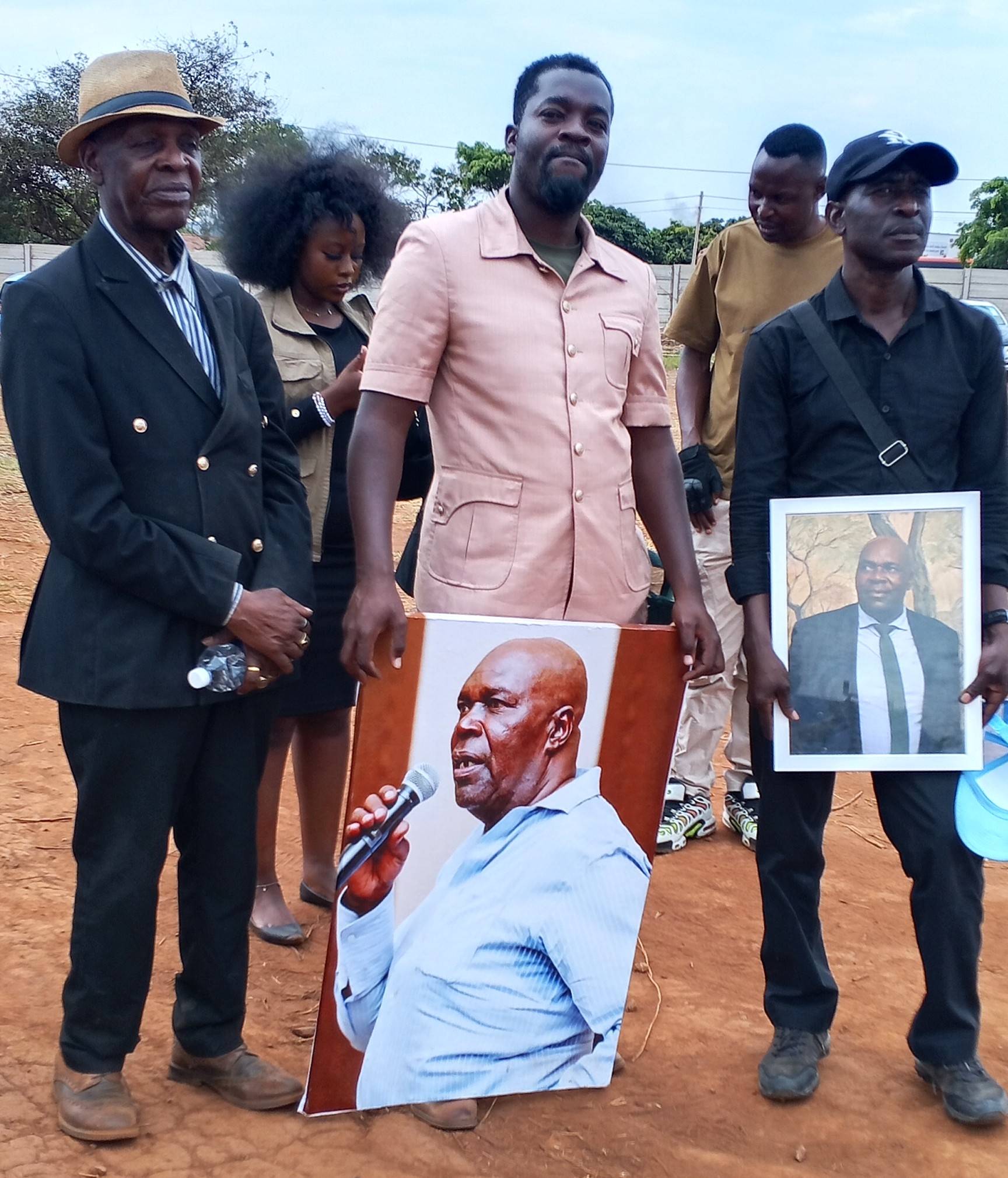
The plea follows the recent death of William Matenga (Gweshe Gweshe), with fellow actors warning that without welfare interventions, creatives will continue to die as paupers.
“We wish the powers that be, or lawmakers, would come up with a law that safeguards actors; the music industry is fairly covered,” said Blessing Chimhowa (Mbudzi Yadhura).
“Our work gets pirated, and what we earn is not enough. Fame will not drive away hunger and poverty. Yet, when you die—as happened with Mr Matenga—people mock you for having nothing. Have they ever checked what the person was doing or how much they were paid?
“We act out of passion. I once announced I was quitting, but I could not stay away because it is a God-given talent. Trying to leave it is like running away from your own shadow.”
Chimhowa noted that actors often work for free, contrasting local conditions with international standards.
“Zimbabwe is not America,” he added. “If it were, a production like Troublemaker would have sustained me in luxury for 10 years.
The problem is that people only give you your flowers when you die. Praising William Matenga now means nothing if we failed to cherish him while he was alive.”
He also lamented what he termed modern-day “slavery,” where visiting foreign artists are paid handsomely while local supporting acts are paid “peanuts,” despite delivering superior performances.
He pointed to South Africa’s strict industry regulations as a model Zimbabwe should adopt to protect local talent.
Chimhowa recalled the heartbreak of Troublemaker producer Enock Chihombori, who won a National Arts Merit Award (NAMA) for the drama only to break down in tears on stage.
“He had invested money meant for building a house into that production, hoping to recoup the costs, yet nothing materialised—all while pirates were buying cars off the proceeds of his stolen work,”
Chimhowa said.
“What pains me most is that former creatives who now hold influential positions have turned their backs on us. Globally, entertainment is one of the highest-paying industries, yet here it is looked down upon despite its power to educate the masses.
We produce satire to relieve people’s stress, yet we are the ones stressed about survival.”
Taurai Boora (Gringo Junior) echoed the call for financial cushioning and state recognition.
“For us to keep producing, we need appreciation,” Boora said.
“Just like in other countries, there should be dedicated residential stands reserved for actors. It is painful to be famous with empty pockets. At the end of the day, our families need food on the table.”
Fellow actor Chati Butao added that corporate support is equally vital since most actors have no other formal employment.
“Acting is our full-time job,” Butao said.
“We need to be taken care of, so our families do not suffer when we pass away. Corporate partnerships offering medical aid, funeral cover, or brand ambassadorships would go a long way in cushioning us.”